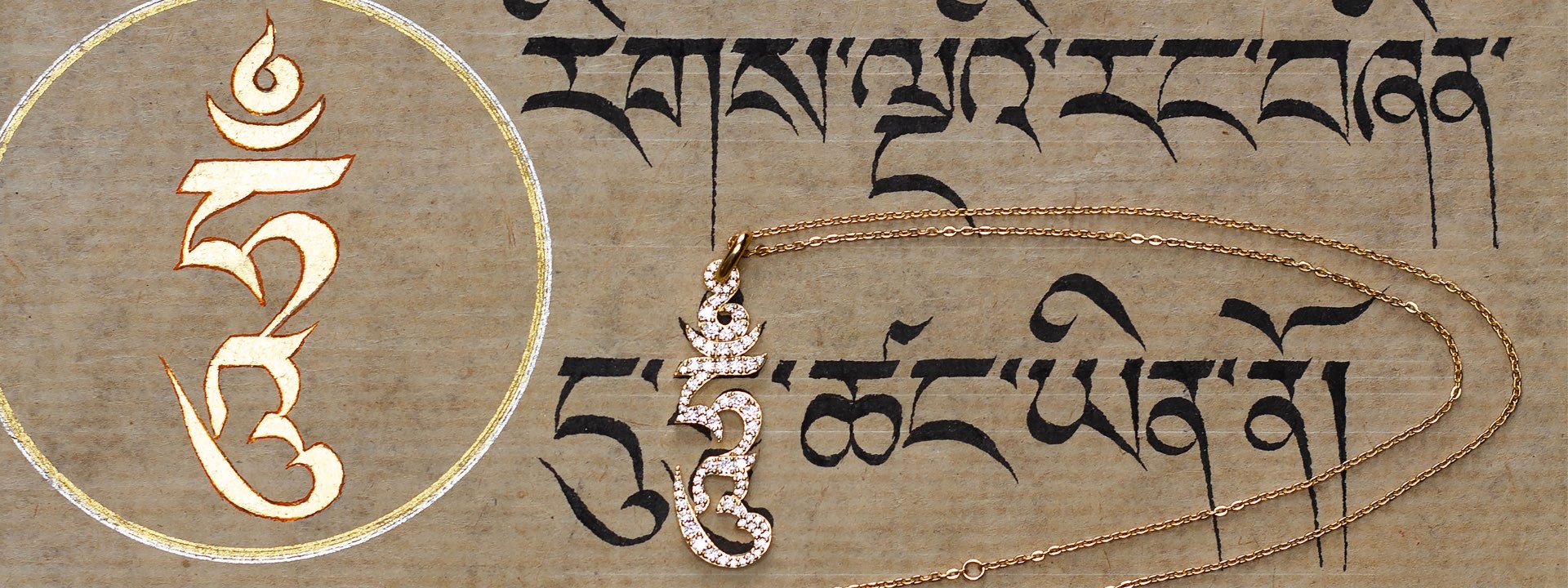
Hung Syllable and Identity
How do you see yourself? And what do you manifest for others?
In Buddhist philosophy, there's a startling and almost radical notion that is put forward. The self, the ego, the identity, doesn't exist. You read that right. The "self" doesn't exist.
This isn't a turn of phrase, and it isn't a riddle meant to unsettle you. It's stated plainly and repeated again and again: in countless sutras, by the Buddha himself, in the treatises of awakened masters. And it doesn't stay on the page. Through practice, the non-existence of self can be internalized as a living experience. It isn't only something to believe. It's something to see for yourself.
The essence of wisdom is just this. The transcendence of the concept of a "self" (གང་ཟག་གི་བདག), and the transcendence of the notion of identity in all phenomena (ཆོས་ཀྱི་བདག). When both are seen through, what's left is what wisdom has always pointed to.
Yet this emptiness (སྟོང་པ་ཉིད་) isn't just nothing. It isn't a blank, and it isn't an absence. The lucid quality of the mind, the cognizance, the sparkling presence, is undeniable. Let go of the fixed sense of "self" and this clarity doesn't disappear. It remains, awake and vivid.
The core of this realization, this "yeshe" (ཡེ་ཤེས་), is beyond enumeration. It was never learned and never acquired, because it was never missing. In its own nature it can't be counted or divided. Still, for the sake of understanding, it can be said to refract into five aspects. We call these the five primordial wisdoms (ཡེ་ཤེས་ལྔ་).
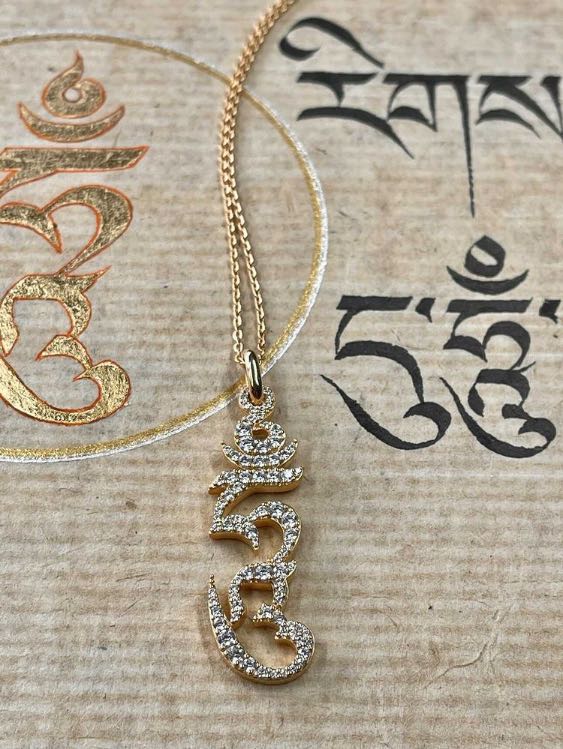
The HUNG (ཧཱུྃ) syllable's five parts represent these five aspects of the wisdom of emptiness. In a way, when you look at hung, you're looking at your true nature. That's why we created it.